
Ascot Gold Cup Betting: Stayer Form, Trends and Tips
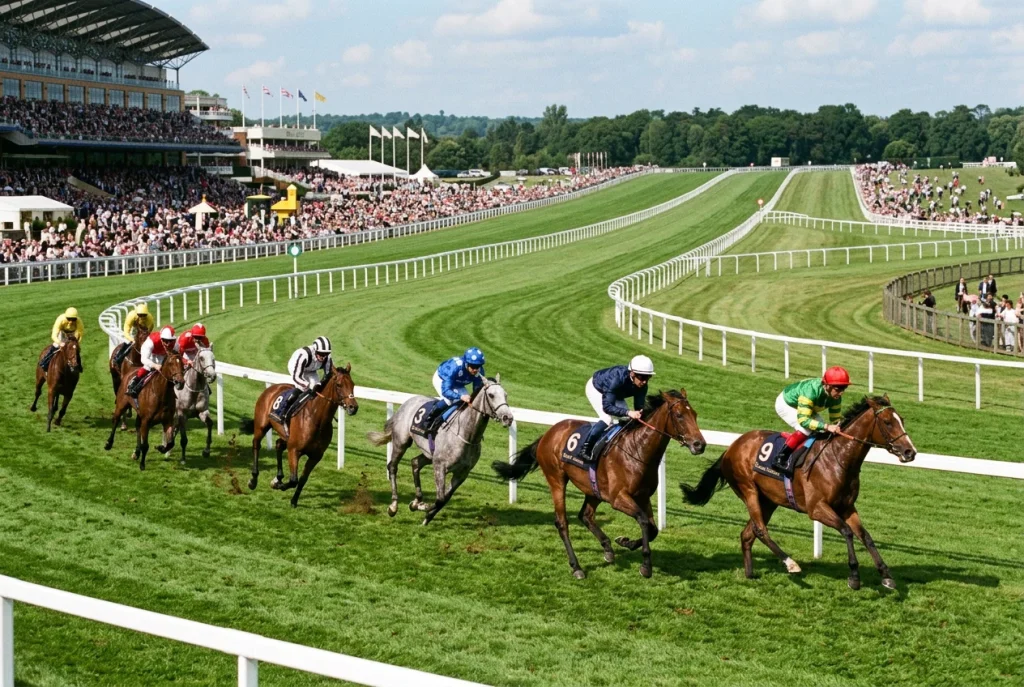
The Gold Cup is the staying race that defines Royal Ascot. Run over two miles and four furlongs on the Thursday of the meeting, it asks questions that no other British Flat race poses: can this horse sustain a high cruising speed for nearly four minutes, handle the undulations of Ascot’s round course, and still find enough at the finish to hold off rivals who have been waiting for the final hill? The distance alone eliminates most contenders. What remains is a small pool of specialists, and betting on them requires understanding what separates a genuine stayer from a middle-distance horse asked to go too far.
The race carries a prize fund of £700,000 in 2026 (increased from £650,000 in 2026), part of Ascot’s record £19.4 million total prize money for the year. For context, the King George in July is now worth £2 million—the first race in British history to reach that figure. The Gold Cup sits below that headline number, but its prestige remains unmatched among staying races. It is the race that made Yeats a legend, that Stradivarius won three times, and that continues to draw the best stayers from Britain, Ireland, and increasingly from France and beyond.
What the Gold Cup Demands
Two miles four furlongs is not simply a longer version of a mile-and-a-half race. The energy demands are fundamentally different. A horse running in the Derby or the King George can afford to settle, travel within himself, and produce a finishing effort over the final three furlongs. A Gold Cup contender must maintain efficiency for much longer. The pace is genuine from early on—not sprinting pace, but a sustained gallop that gradually strips away horses without the constitution to handle it.
Ascot’s track layout amplifies the challenge. The round course includes the descent into Swinley Bottom and the long climb to the finish. Horses who race keenly or who lack a rhythmic action burn energy on the downhill sections. The final two and a half furlongs, run uphill, expose any stamina shortfall. A horse can look full of running at the three-furlong pole and empty completely before the line. The Gold Cup finish regularly produces horses stopping in the final hundred yards, caught by closers who have conserved just that little bit more.
Ground conditions matter enormously. The Gold Cup has been run on everything from firm to heavy, and the extremes favour different types. On fast ground, speed and tactical positioning take precedence—a horse can steal lengths and hold on. On soft or heavy ground, raw stamina dominates, and the ability to grind through testing conditions becomes paramount. Trainers with genuine Gold Cup horses monitor the forecast obsessively in the week before Royal Ascot.
The race also rewards experience. First-time runners at the distance rarely win. The Gold Cup demands that a horse has learned to settle, to race efficiently, and to respond when asked late in a race of unusual length. Most winners have contested at least one previous race over two miles or further, often at Group level.
Gold Cup Winners: What They Have in Common
The Gold Cup winner profile has remained consistent for decades. Most winners are aged four or five—old enough to have developed the mental and physical maturity for extreme distances, but not yet in decline. Yeats, who won four consecutive Gold Cups from 2006 to 2009, was the exception that proved the rule: a freakish stayer who could not be trained like other horses and who peaked later and longer than almost any Flat horse in history.
Breeding tells a story. Gold Cup winners almost always descend from sire lines with proven stamina influence. Sons and grandsons of Sadler’s Wells dominated for years. More recently, Galileo and his descendants have supplied winners, as have stayers by Sea The Stars and other middle-distance influences with bottomless stamina on the dam’s side. When assessing a Gold Cup contender, check the pedigree page. If neither parent won beyond a mile and a quarter, scepticism is warranted.
The form pattern of a typical Gold Cup winner involves progression through staying ranks. Many won Group 2 or Group 3 staying races as three-year-olds, then stepped up to the Gold Cup or the Goodwood Cup at four. Winners who arrived from mile-and-a-half racing are rare and usually exceptional—horses whose turn of foot at shorter distances translated into sustained acceleration over the Gold Cup trip.
Repeat winners are more common here than in any other Group 1. The race rewards horses who return to the same challenge, and trainers of genuine stayers rarely deviate from the programme. If a horse has won the Gold Cup before, respect it. Unless there are clear signs of decline, the defending champion deserves favourite status, or close to it.
Form Lines That Matter
The most reliable Gold Cup trial is the Sagaro Stakes, run at Ascot in early May over two miles. Horses who win or run well in the Sagaro and then go on to the Gold Cup have an excellent record. The race is specifically designed as a prep, and trainers who target the Gold Cup seriously use it as such. A horse skipping the Sagaro to run elsewhere—or coming to the Gold Cup off a long break—faces a harder task.
Irish form carries weight. The Vintage Crop Stakes at Navan and the Saval Beg Stakes at Leopardstown serve as Irish trials, and horses trained by Aidan O’Brien, Dermot Weld, or other Irish trainers frequently arrive at Royal Ascot with impeccable staying credentials. The Irish have a particular tradition of producing stayers, and their form lines should be respected even when the horse is an unfamiliar name to British punters.
French raiders deserve attention, particularly from trainers like Andre Fabre or the Aga Khan’s team. French staying races on soft ground provide excellent preparation for a testing Gold Cup. A horse who has contested the Prix du Cadran or the Prix Vicomtesse Vigier knows what two miles-plus demands, and French form often translates directly to Ascot.
What matters less is Ebor form from the previous season, Derby form stepped up in trip, or impressive handicap victories at shorter distances. The Gold Cup is a Group 1 for specialists. Horses coming from outside the staying programme occasionally win, but the market typically overrates them. Stick with form lines from races that specifically tested stamina over extreme distances.
How to Bet the Gold Cup
The Gold Cup market typically features one or two short-priced favourites and a cluster of 8/1 to 20/1 shots. The favourites have strong win records—this is not a race prone to upsets. When a horse is genuinely superior to the field, the result tends to confirm it. Yeats won at odds-on three times. Stradivarius started favourite in all three of his victories. Betting against a proven champion at this distance is often a losing strategy.
Each-way betting has limited appeal. Fields of ten to fourteen runners mean bookmakers pay three places, and the prices of placed horses rarely justify the each-way outlay. If you believe a horse can place but not win, consider a place-only bet at exchange odds rather than splitting stakes. The win-or-nothing approach often makes more sense in a race where the cream reliably rises.
Ante-post value can exist in Gold Cup markets, particularly for horses coming through the trial races. A Sagaro winner at 12/1 in May may be 6/1 or shorter by the Thursday of Royal Ascot. Taking early prices carries ground risk—a horse aimed at fast ground may be scratched if rain arrives—but non-runner no-bet terms are widely available and worth insisting upon. The Racehorse Owners Association provides official prize money updates and race details for those tracking the staying programme through the spring.
On the day, watch the market for late confidence or drift. Gold Cup trainers know their horses intimately, and money arriving late for a staying specialist often reflects genuine home confidence. Conversely, a horse drifting from 8/1 to 14/1 in the final hour may be telling you something about its readiness. The staying division is small enough that insider knowledge circulates more freely than in other spheres of racing. Pay attention to where the money goes.